
Explore Zagreb map
Embark on a captivating journey through Zagreb, Croatia's vibrant capital, with the Explore Zagreb - Zagrebeer map.
HNK - Croatian National Theatre
The Croatian National Theatre is located on Trg Republike Hrvatske, in the heart of Zagreb.
The theatre showcases the rich cultural heritage of Croatia and of Zagreb as its capital. It
has played a pivotal role in shaping the country’s performing arts scene by bringing to view a
blend of tradition and innovation. The Croatian National Theater, with its diverse repertoire
and lavish architecture, leaves no person indifferent.
At the end of the eighteenth century, the nation started to become more interested in the art
of theatres. The main problem was that there were no real theatres in Zagreb like in the rest
of Europe and with the period of national-awakening, it became clear that something needed
to be done. The city appointed many halls which served as theatres, but it was simply not
the same as having the real thing. The idea of a well-equipped theatre came to mind in
1871., but it was not until the earthquake in 1880. which had greatly damaged the theatre on
the upper side of town that the people took action. It took until 1893. for the people in charge
to decide they are going to build a new theatre only because the tsar was supposed to visit
Zagreb in 1895. The Austrian architects Herman Helmer and Ferdinand Fellner were
appointed to design the new project.
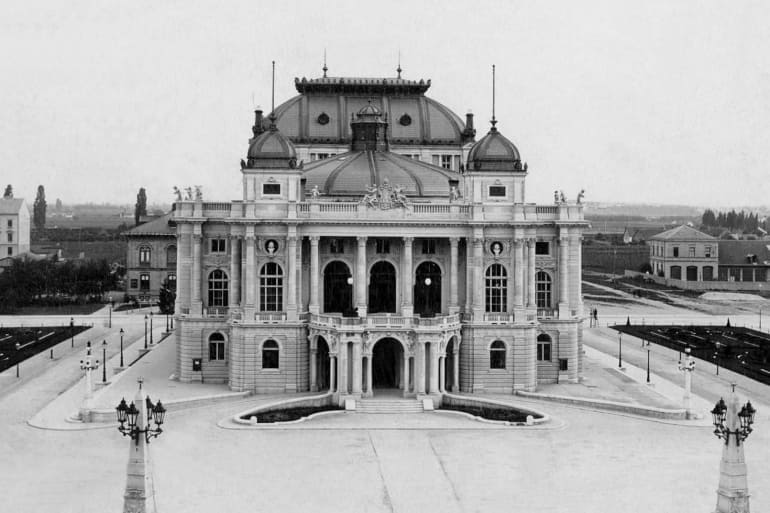
The construction started on the twenty-second of May in 1894. Two hundred workers were
working on the project and it took them four months to build the external part of the theatre.
The project was finished on the fourteenth of October in 1895., when the tsar Franz Joseph
symbolically swung a silver hammer as a sign of the construction being finished. The first grand performance, also attended by the emperor and numerous dignitaries, was held on the same day at seven o'clock in the evening in the new building. It was titled "Glory of Art," an allegorical stage prologue in three scenes by Stjepan Miletić with music composed by Ivan pl. Zajc. The leading actors of Drama, Opera, and Ballet took part, and the eighth scene of Zajc's opera "Nikola Šubić Zrinjski" was also performed.
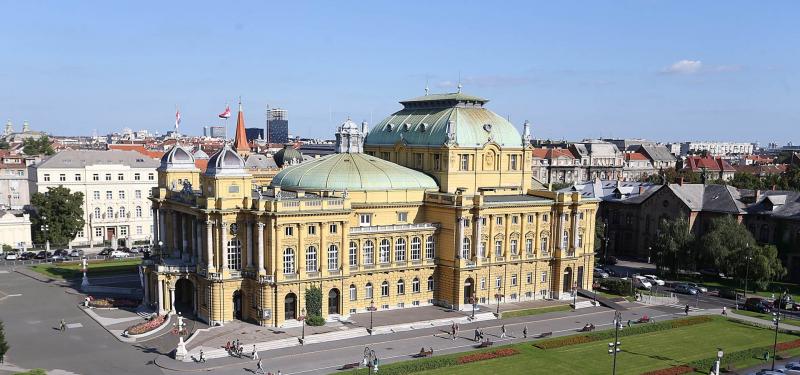
The building combines the elements of the Renaissance and Baroque. The facade is
decorated with sculptures and ornate detailing, setting the stage for the cultural treasures
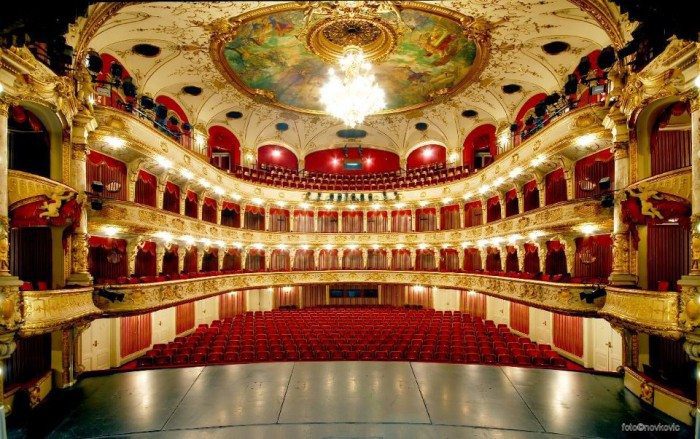
that await within. The interior, with the majestic auditorium and richly decorated halls
provides a fitting backdrop for the performances hosted by the theatre. It was the first public
building in Zagreb to receive electric lightning, which was a significant innovation at the time.
Multiple artistic ensembles can be found in the theatre - Opera, Drama and Ballet. As the
central national theatre its program is very diverse and holds not only Croatian authors but
also the world repertoire. There are a wide array of performances that cater to varied tastes.
Annually, there are around 220 performances in the theatre which can hold up to 719
spectators.
The Croatian National Theatre in Zagreb stands as a cultural beacon, showing off the artistic
expertise of not only Zagreb, but the whole of Croatia. Its significance, rich history and
architectural brilliance ensure that it remains as one of the key landmarks for both locals and
visitors.
Main Square - Ban Jelačić Square
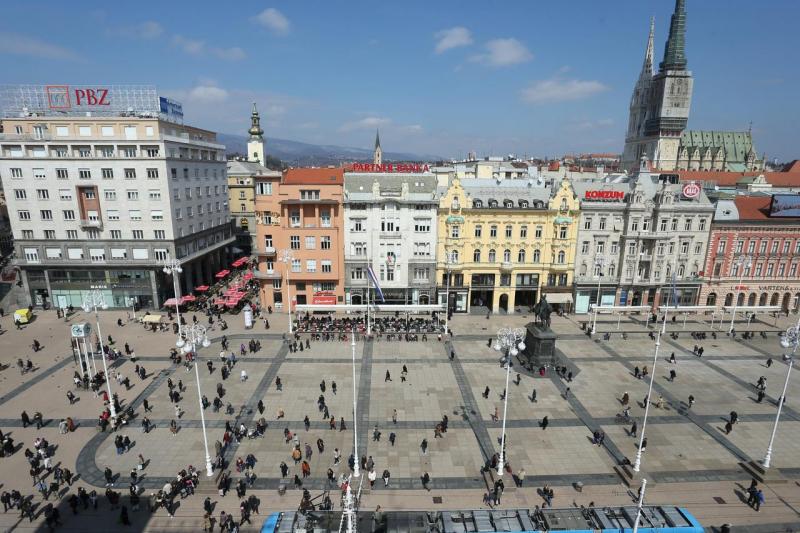
Positioned at the heart of Croatia’s vibrant capital, Zagreb, the Ban Jelačić Square is the
epitome of cultural heritage and rich history. The square was named after Josip Jelačić, a
19th century Croatian count. The Ban Jelačić square has been an important factor in
developing Zagreb’s social and political life while also serving as a hub for activities, events
and daily life for locals and visitors.
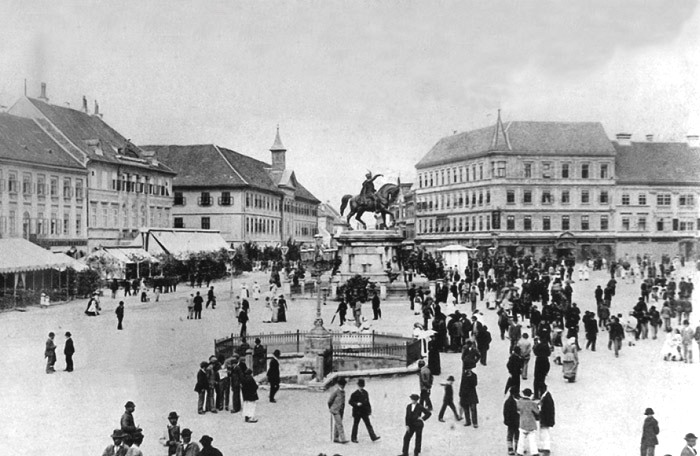
The Square holds historical significance, as it has witnessed Zagreb’s evolution from a
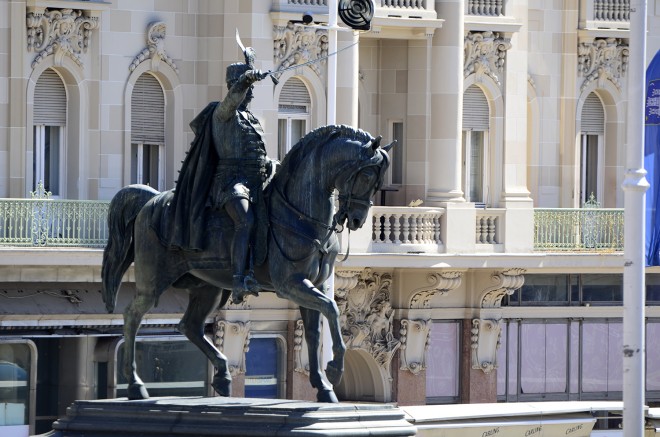
mediaeval town to a thriving European capital. The central statue of Ban Jelačić on horseback
dominates the square. It was sculpted by an Austrian artist, Anton Dominik Fernkorn. It was
unveiled in 1866 and has been on the main square ever since, but during that time the direction of the statue had changed. It was firstly turned in the north direction and was
pointing to St. Marko’s Square while today it is turned towards the south.
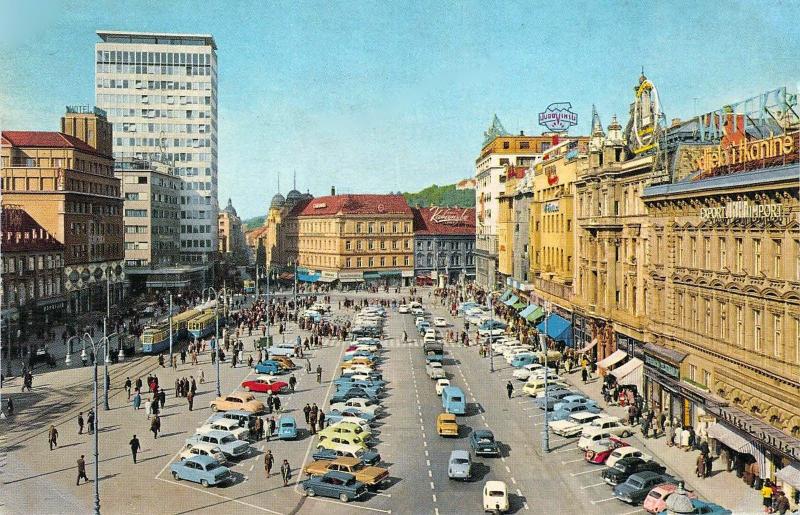
Over the years, the name of the Square kept changing. It was initially named Harmica after
the Hungarian word harmicz, which means thirty. That was still when the square was just a
food market. It got that name because people, who were trying to get to the food market to
sell their goods, had to pay 30% of their income to get the right to sell their products there.
After that, it got its name which is now known by - Ban Jelačić Square. With the rise of
socialism, the square was given a new name, Republic square. It was then that they
decided to remove the statue off the Square. After Croatia gained its independence in 1990.
the name was reverted to Ban Jelačić Square and the statue was brought back.
The eastern end of the square has a special landmark - the Manduševac fountain. It was
built in 1848 and shows a statue of a girl holding a jug of water. Some legends say that if you
drink water from this fountain, you are sure to return to Zagreb in the future. The fountain is
not only a source of water, but also the starting point of Zagreb’s main street, Ilica. There is
another story which says that the girl, Manduša, scooped up (Croatian = zagrabila) some
water and gave it to the passing soldiers, and that is how Zagreb got its name.
During the Christmas season, the Square hosts the annual Advent in Zagreb festival, which
includes Christmas markets and various holiday-themed activities.
The significance of the Ban Jelačić Square goes beyond being a central point on the map; it
shows the richness of Zagreb’s history, but also cherishes its past while embracing the
energy of the present. The main Square has something to offer for everyone.
St. Mark Church
St. Mark Church is one of the remarkable symbols of Zagreb. Situated in the Upper Town,
on the historic St. Mark’s Square, it stands as one of the oldest structures in the city,
showing off its rich history and captivating design.
The church is dedicated to St.Mark, one of the four Evangelists and has played an important
role in the lives of the religious community. The church hosts religious ceremonies daily and
attracts both locals and tourists alike.
The window which is located on the church’s south side is a Romanesque one. That window
provides evidence that the church was constructed as early as in the 13th century. The
church underwent a significant reconstruction in the 14th century and its structure was
transformed into a late Gothic church with three naves. That same reconstruction marked a
change in the architectural style of the church.
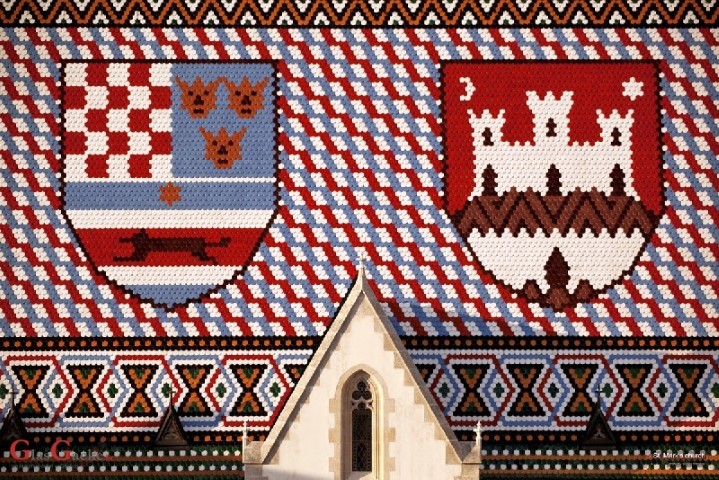
The church is renowned for its distinct roof. The roof consists of colourful tiles which depict
the coats of arms of Zagreb and one of the Triune Kingdom of Croatia, Slavonia and
Dalmatia. The Triune Kingdom of Croatia, Slavonia and Dalmatia was a concept advocated
by Croatian leaders. It was supposed to be a kingdom which consisted of these three
regions, which were already a part of the Austrian Empire but politically were separate
entities. The roof was designed in the 19th century and is a landmark many often think of
when they think of Zagreb. The tiles on the roof are not actually fixed in place so they can be
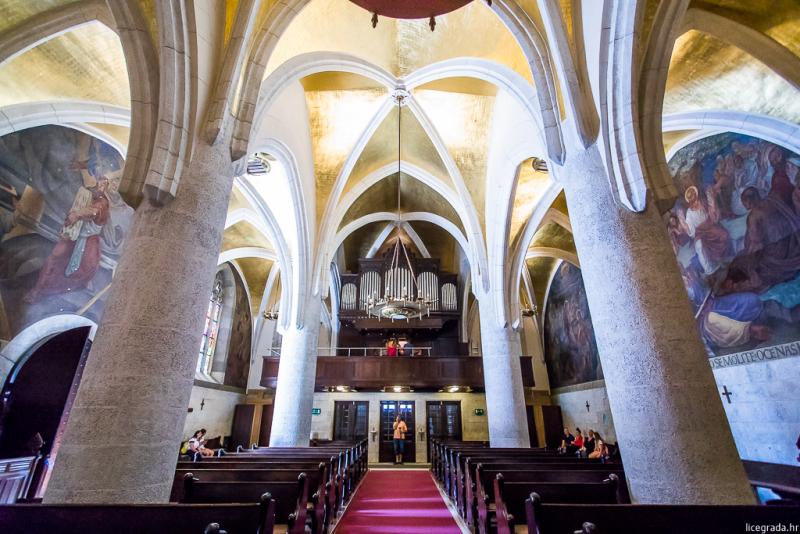
rearranged during certain events and occasions. Inside the church, visitors can see beautiful
vaulted ceilings and an array of artefacts.
Saint Mark’s Square brings forth other historical landmarks, such as the Croatian Parliament
(Sabor) and the Ban’s Court (Banski dvori). The Museum of the City of Zagreb is also
present. The square has cultural and political significance.
The St. Mark’s Church stands not only as a religious history but as proof of Zagreb’s rich
history and cultural identity. As a protected cultural monument of Croatia it goes to show that
it is not only important for Zagreb, but also for Croatia as a whole.
Cable Car
Built in 1890, the Zagreb Funicular, the second oldest funicular in the world, just behind the one in Lisbon, represents the oldest organized form of public transportation in Zagreb. Stretching for a length of 66 meters and overcoming a height difference of 30 meters, it elegantly connects the Lower and Upper Towns, creating an indelible link between Ban Jelačić Square and Strossmayer's Promenade.
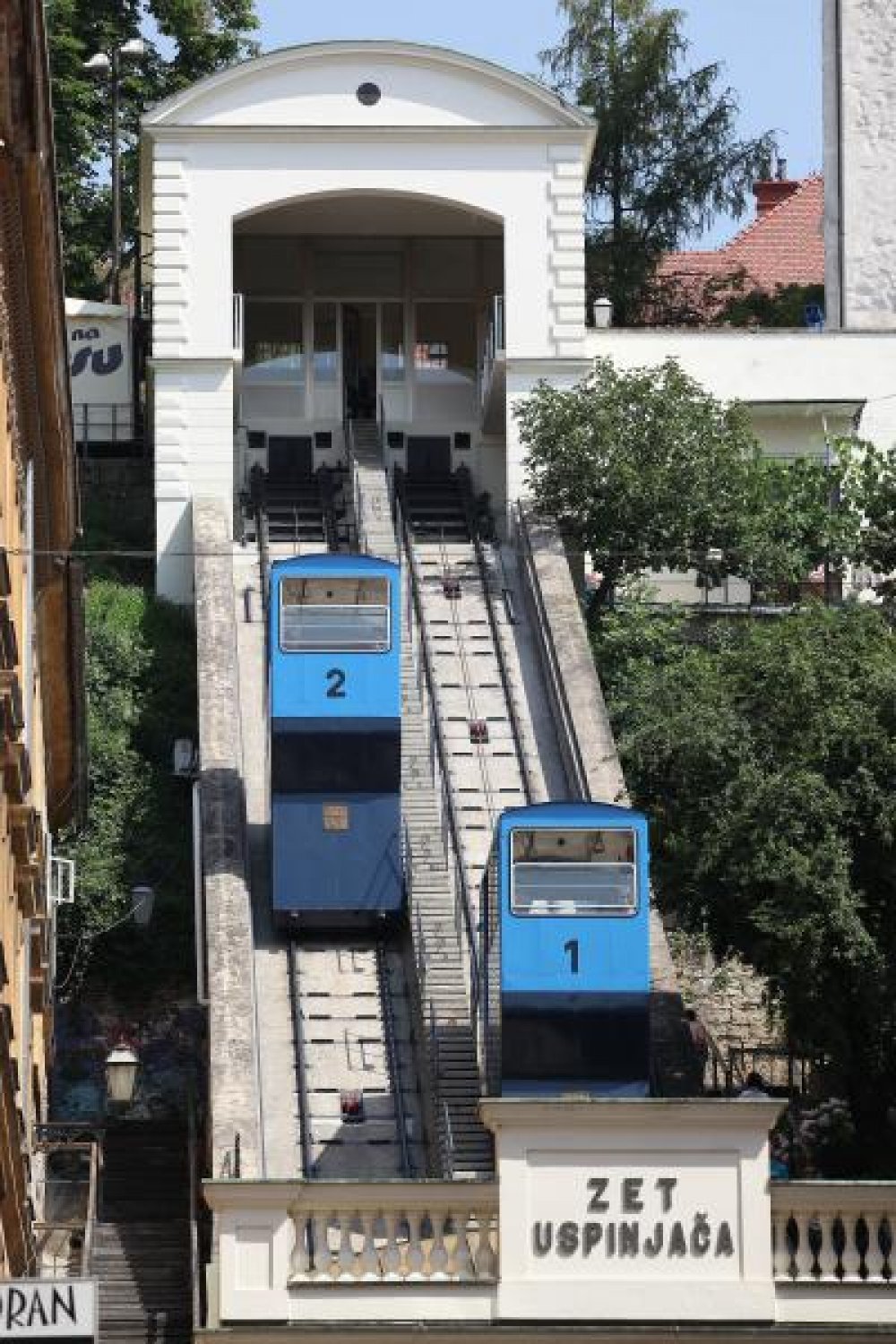
Despite its long history and significance, the funicular earned the nickname "Zapinjača" due to frequent malfunctions during its early years. Nevertheless, despite these challenges, the Zagreb Funicular played a crucial role in urban transportation, leaving an indelible mark on the urban map of Zagreb.
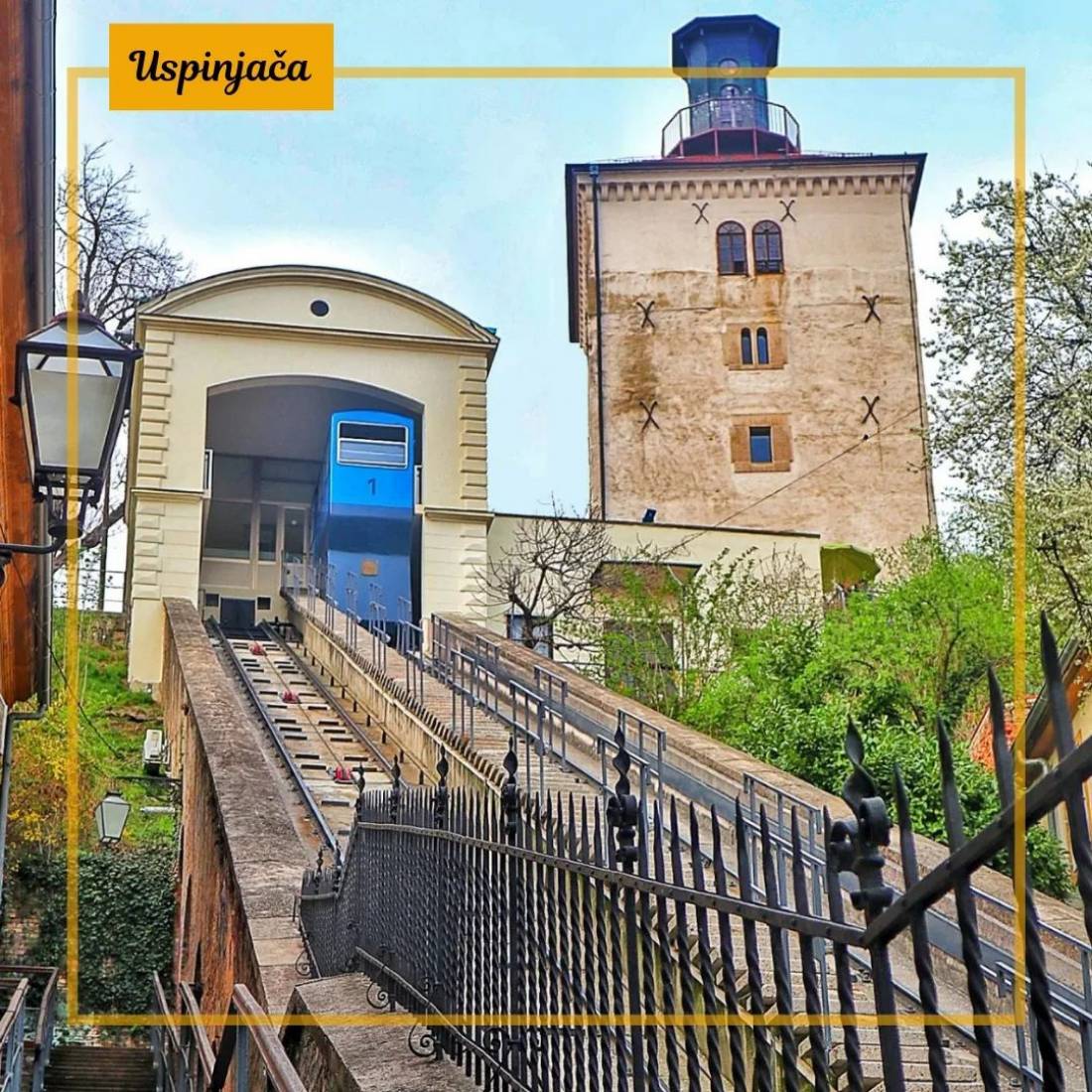
From its inception until 1929, the funicular had first and second-class compartments, offering passengers various travel options. The blue color of the cabins, now a distinctive visual element, wasn't always present. It was only after the overhaul in 1947 that they acquired their characteristic blue hue.
Grič Cannon
The Grič Cannon, a distinctive sonic symbol of Zagreb, proudly stands atop the Lotrščak Tower in the Upper Town, also known as Gradec. This impressive tower, with its roots tracing back to the 13th century and the Golden Bull of King Bela IV, symbolizes the status of a free royal city that Gradec acquired. The construction of the tower lasted a remarkable 20 years, leaving a lasting mark on the city's history.
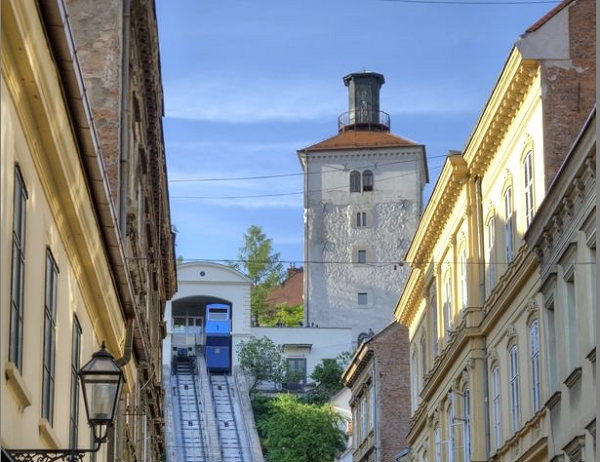
Although the Grič Cannon was only installed in the 19th century, its origins can be traced back to a decision by the city administration at the end of the same century. It was then that the decision was made to acquire a cannon that would resound every day at noon, allowing the bell-ringers of the city's churches to precisely synchronize their bells. The Grič Cannon first echoed on New Year's Day in 1877.
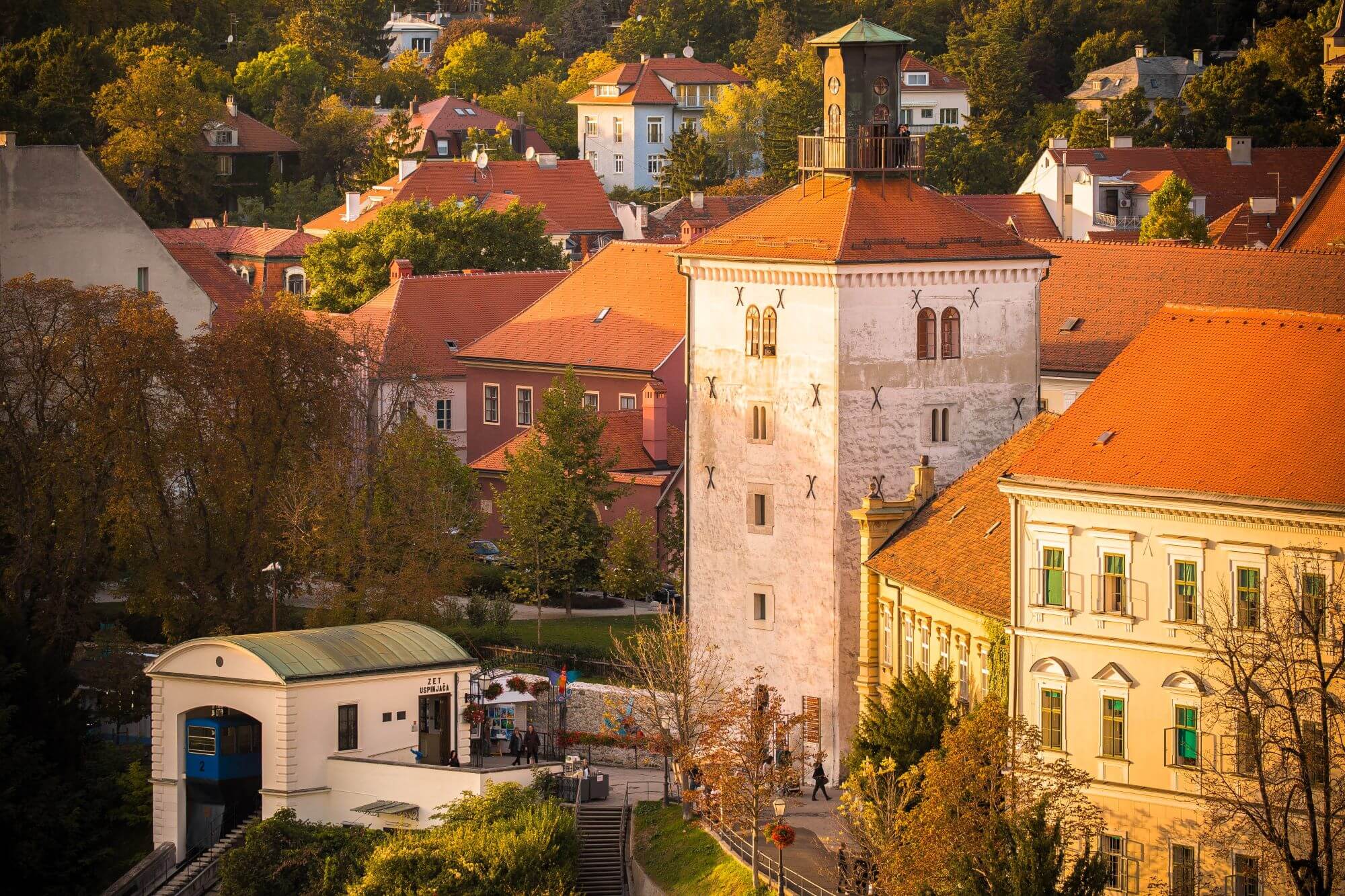
The current Grič Cannon, the fifth in the series, has been standing on Lotrščak Tower since 1987 and represents a special gift for the „Univerzijada“. Its gunner is Alem Tutundžić.
Stone Gate
The Stone Gate is part of the former defensive system of Zagreb's Gradec and remains the only preserved city gate to this day.
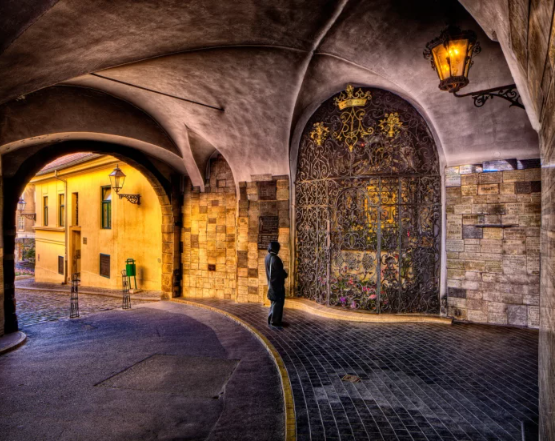
Today, it is a place of pilgrimage and prayer associated with the legend of the 18th-century fire. In 1731, a massive fire engulfed Gradec, causing significant destruction to the Stone Gate. The only thing left unharmed was the image of the Mother of God, which still hangs there today, leading people to believe in its miraculous power. Inside the Stone Gate, there are plaques of gratitude installed by individuals who believe they have experienced miracles or blessings through the intercession of the Mother of God from the Stone Gate.
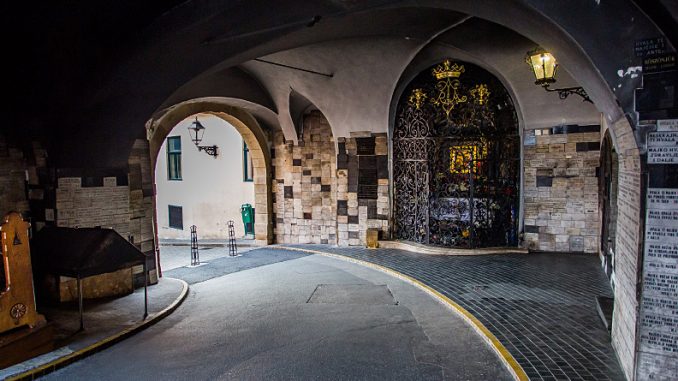
The Day of the Stone Gate is celebrated on May 31st, marking the miraculous rescue of the image.
Grič Tunnel
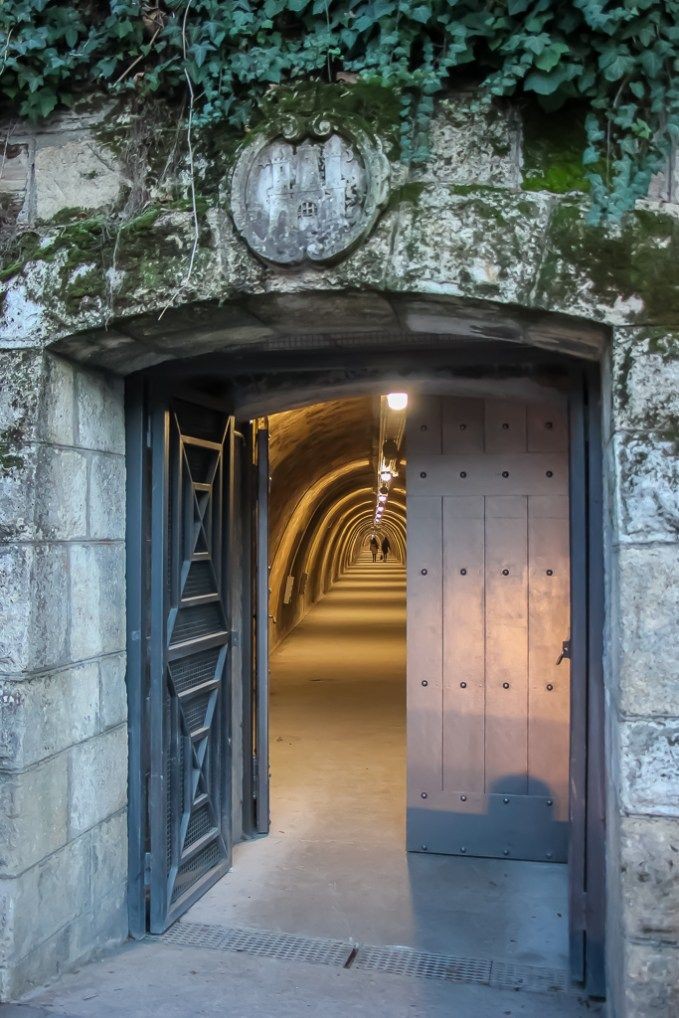
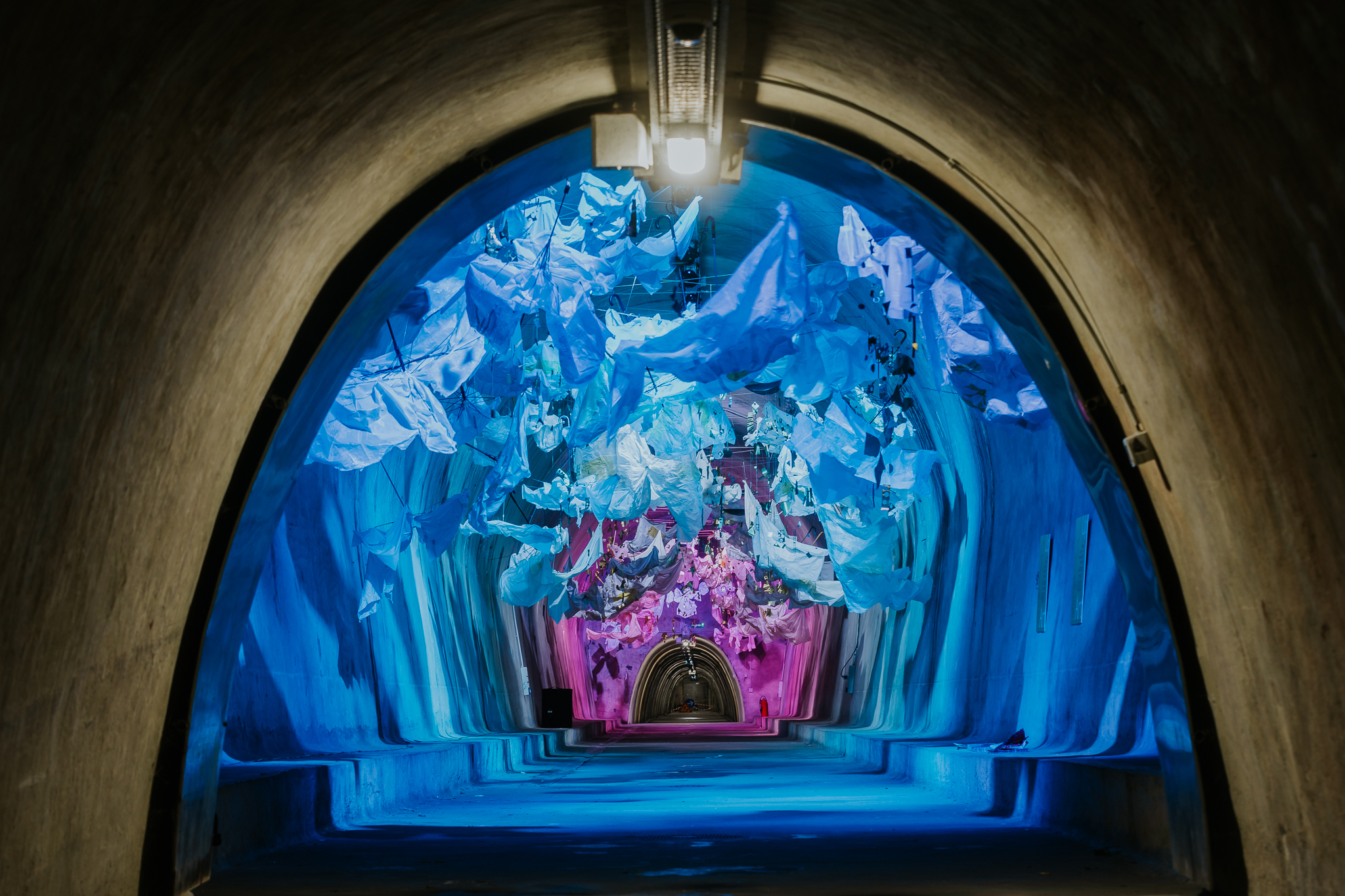
The Grič Tunnel is a pedestrian tunnel that connects Mesnička and Radićeva Streets. It was built during World War II as a shelter from air raids and is part of an extensive system of air-raid shelters erected in various parts of the city. Today, it serves as a venue for organizing various events.
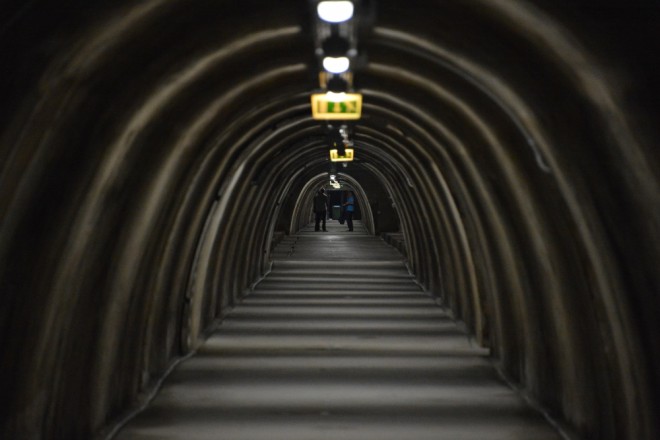
The tunnel is accessible from Mesnička, Radićeva, Ilica, and Art Park and is open every day from 9:00 to 21:00.
Botanical Garden
The idea for its establishment was proposed by Prof. Dr. Bohuslav Jiruš, the first professor of botany at the University of Zagreb, and it was founded by Antun Heinz in 1889.
Today, the Botanical Garden is protected as a monument of park architecture and part of Lenuci's Horseshoe as a cultural heritage of the Republic of Croatia.
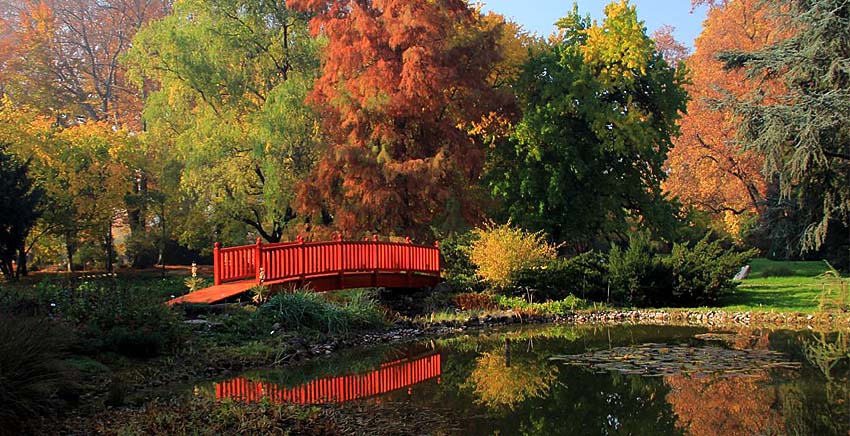
In 1911, a marine aquarium was also located within the greenhouse, but it was later demolished. In 1933, a water pumping station was built, which remains a rare example of a water pumping station in Zagreb built before World War II, reflecting the modern trends of the 1930s. During World War II, the Garden suffered damage from bombings and was closed. Today, the garden is home to around 5,000 different plant species.
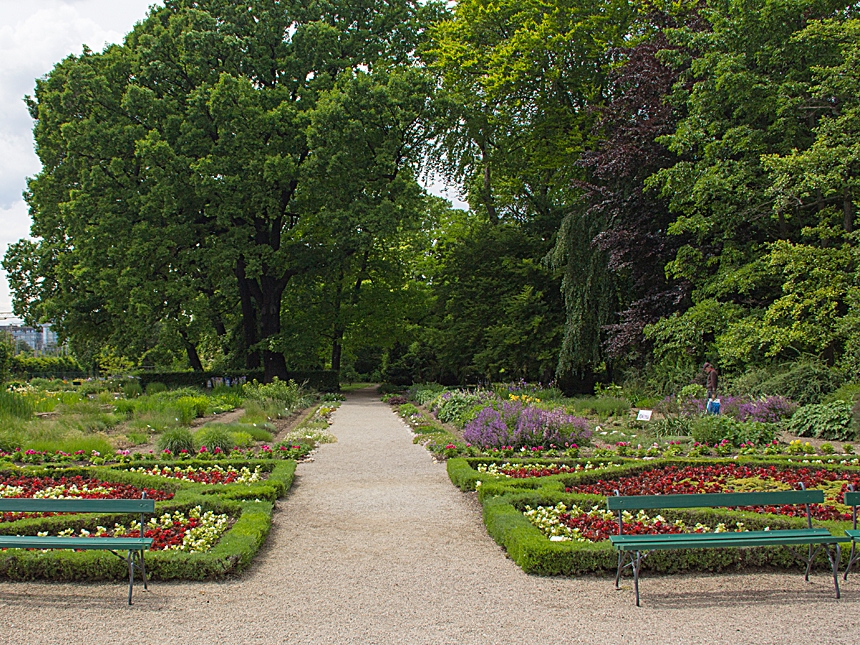
The garden is usually open to visitors from March to December each year.
Lenuci's Horseshoe
Lenuci's Horseshoe is the name for an urban complex consisting of a series of squares and parks in the Lower Town. It consists of seven squares and the Botanical Garden.
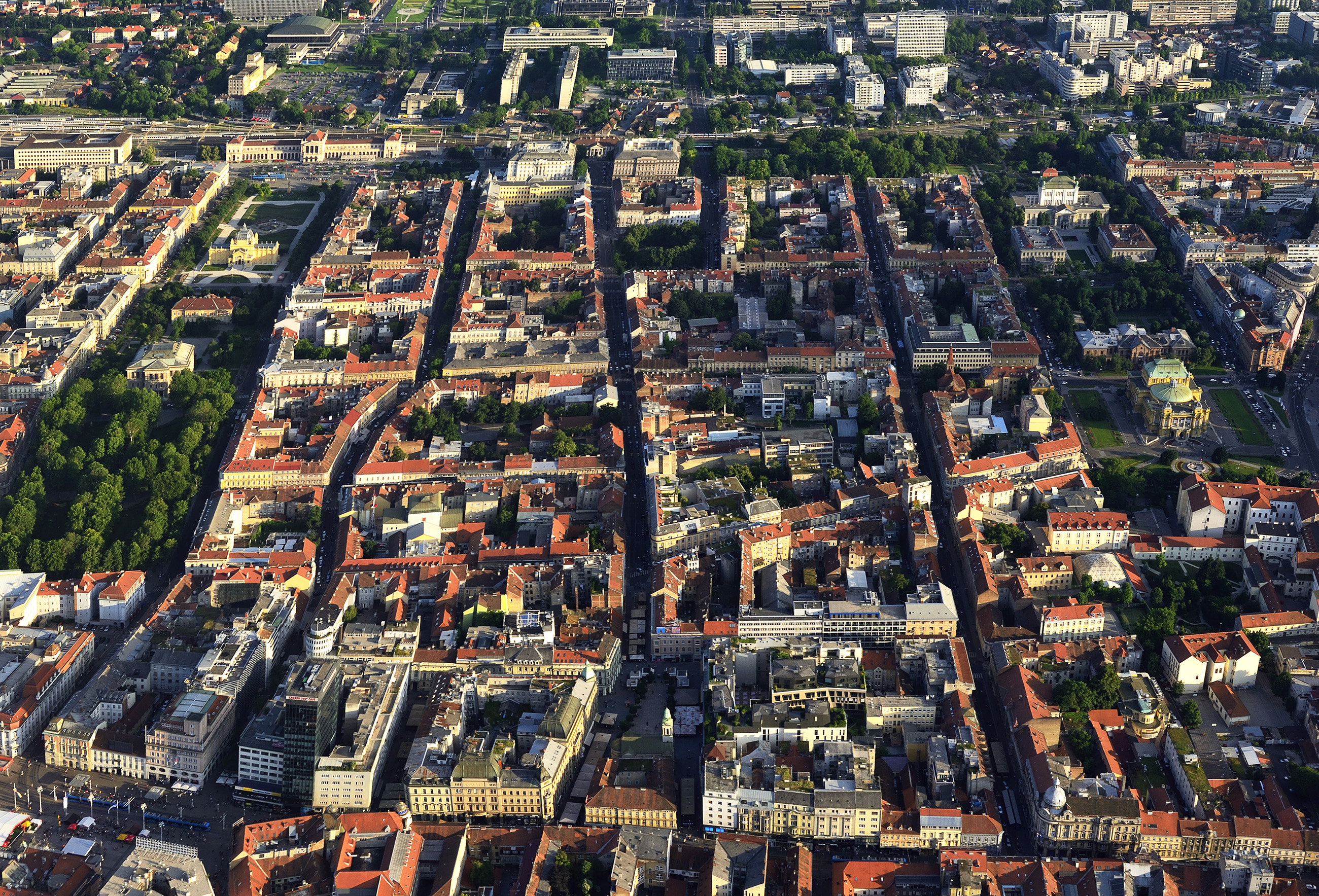
The squares within Lenuci's Horseshoe are:
1. Ante Starčević Square in front of the Esplanade Hotel
2. King Tomislav Square (known as Tomislavac) located in front of the Main Railway Station
3. Josip Juraj Strossmayer Square, where the Croatian Academy of Sciences and Arts (HAZU) is situated
4. Nikola Šubić Zrinski Park (known as Zrinjevac)
5. Republic of Croatia Square where the Croatian National Theatre is located
6. Ivan, Antun, and Vladimir Mažuranić Square (known as Mažuranac)
7. Marko Marulić Square where the Croatian State Archives is situated
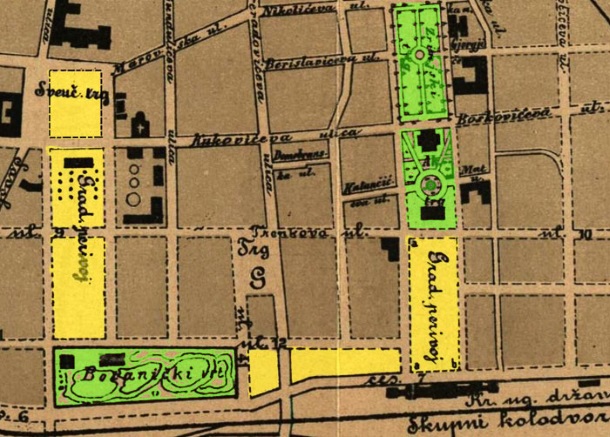
Grounded Sun
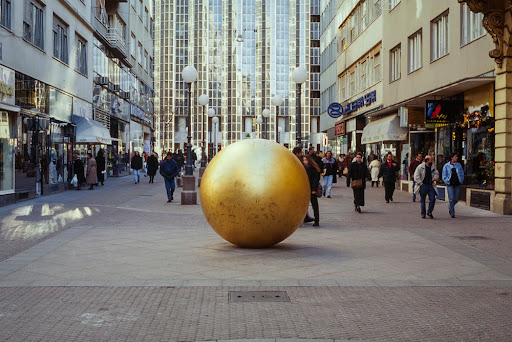
The Grounded Sun, a sculpture by academician Ivan Kožarić created in the 1970s, is now located on Bogovićeva Street.
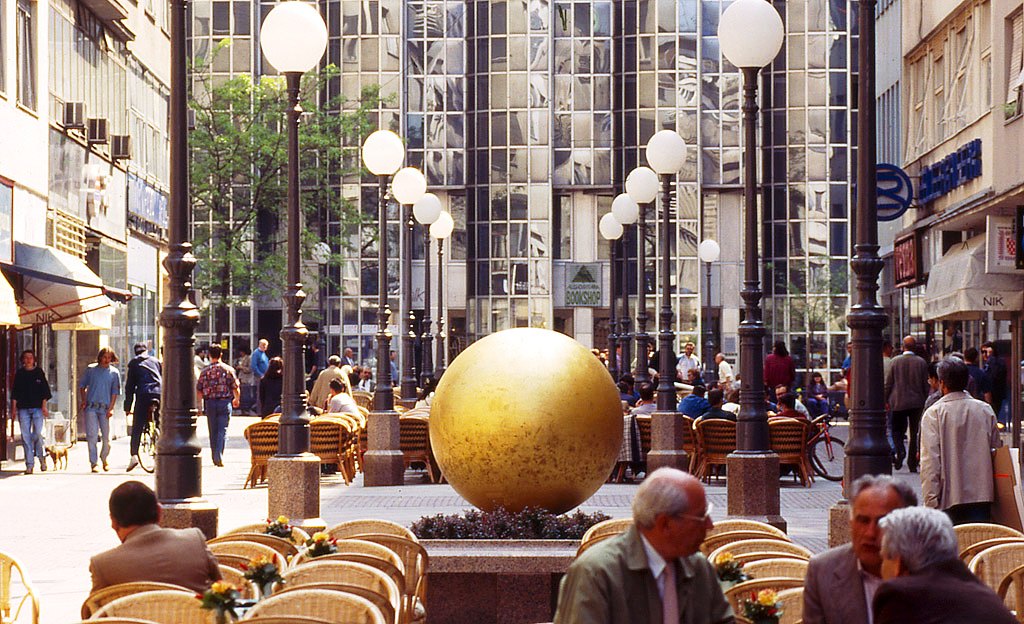
In 2004, Davor Preis conceived the installation of the solar system, incorporating Kožarić's Grounded Sun. Other planets are positioned around the Sun, reflecting their actual distances from the Sun as well as their diameters, all determined while considering the diameter of the Sun.
Oktogon
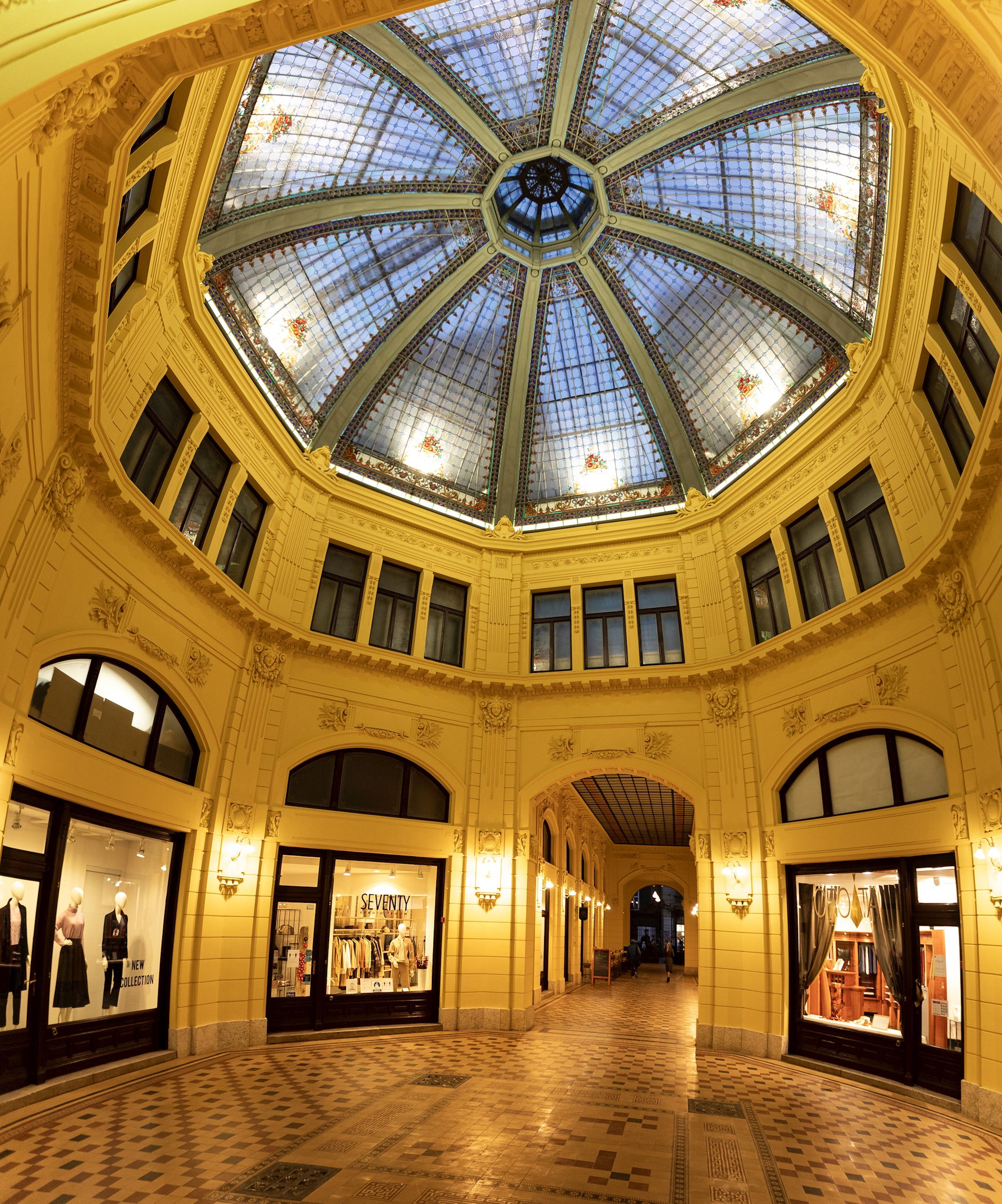
The Oktogon is a building that once housed the First Croatian Savings Bank. The central part has an octagonal shape crowned with a dome and is connected by two passages that link Ilica and Cvjetni trg.
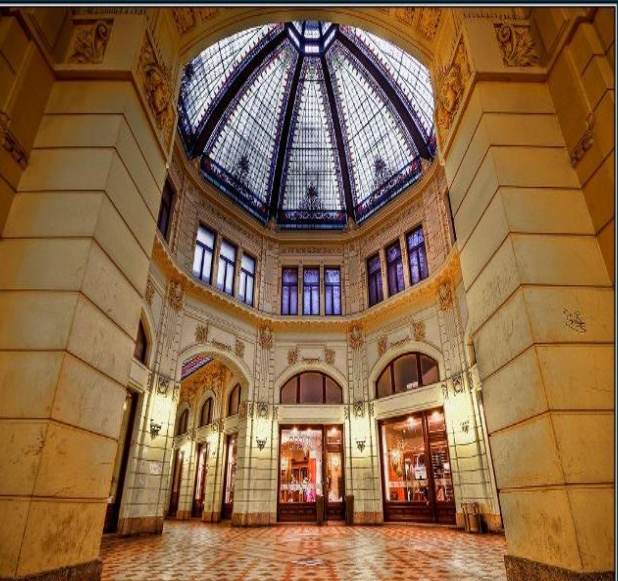
Within the Oktogon space, there are shops and a museum dedicated to banking and savings, featuring three collections: scripophily (securities and stocks), numismatics (coins and paper money), and savings (saving boxes and passbooks).
Follow us